
Recycling Information
Used batteries and accumulators are not ordinary household waste. They may contain substances that are hazardous to the environment and human health, while at the same time being a source of valuable raw materials that can be recovered during recycling. For this reason, every used battery should be taken to an appropriate collection point and not thrown into a container for mixed waste.
Proper handling of used batteries is the responsibility of the end user and part of the separate waste collection system operating in Poland and throughout the European Union.
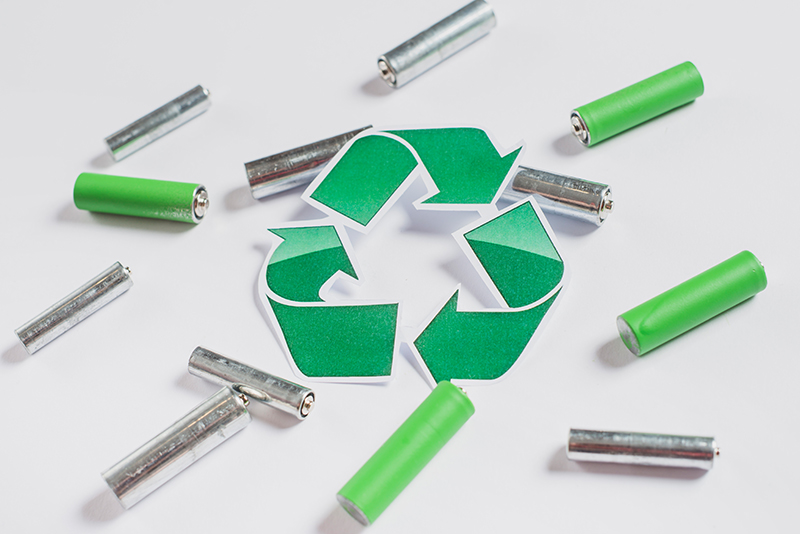

Heavy metals, electrolytes and chemicals.

Especially damaged lithium batteries.

Batteries can be recycled and reused.
Batteries and accumulators may contain, among other things, heavy metals, electrolytes and other chemical substances. If disposed of incorrectly, they may enter the soil, water or air, while damaged batteries - especially lithium batteries - may create a risk of short circuit, overheating or fire.
Throwing batteries into mixed waste, plastic, metal, paper, glass or bio-waste containers is incorrect.
Used batteries must be collected separately and handed over to designated collection points.
alkaline and zinc-carbon batteries, such as AA, AAA, C, D and 9V

button and coin cell batteries, for example for watches, remote controls, scales, toys and medical devices
rechargeable batteries, such as Ni-MH, Ni-Cd, Li-Ion and Li-Poly
lithium batteries used in electronics, photographic equipment, sensors and smart devices
batteries from power tools, flashlights, electric bicycles, scooters, toys and portable devices
batteries and accumulators contained in used electrical or electronic equipment
Where should used batteries be taken?
Used batteries should be handed over to a designated collection point. In Poland, they can be taken, among other places, to:
- special battery containers located in shops, retail outlets, institutions, schools or other public facilities;
- a Selective Municipal Waste Collection Point - PSZOK, operated by the local municipality;
- electronic waste collection points, if the battery is inside a used electrical or electronic device;
- a battery or accumulator sales point, in accordance with the used battery acceptance rules applicable at that location;
- a service point or seller, in the case of an automotive, industrial or other accumulator that requires a special method of acceptance.
Returning used portable batteries at designated collection points is free of charge. If the batteries were purchased in our store, you can contact us to receive information about the current method of transferring used batteries into the collection system.
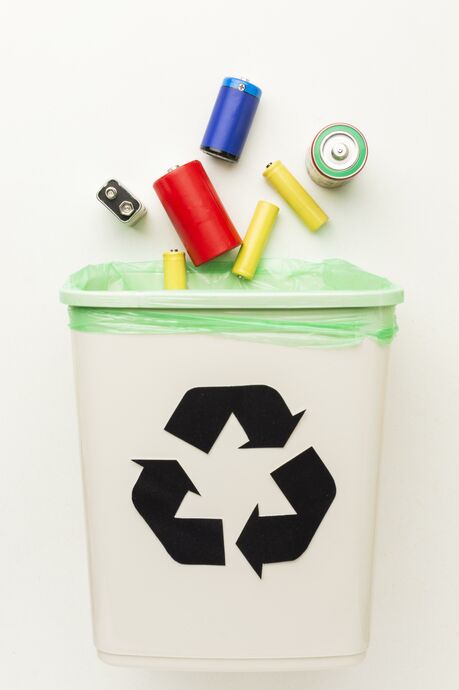
Before handing batteries over to a collection point, it is worth ensuring their safe storage and transport:
- store used batteries in a dry place, out of reach of children and animals;
- do not store batteries near sources of heat, fire, moisture or flammable materials;
- do not open, crush, puncture or dismantle batteries;
- do not place loose batteries in metal containers where a short circuit may occur;
- in the case of lithium batteries, accumulators, 9V batteries and batteries with exposed contacts, it is recommended to protect the terminals with insulating tape;
- if the battery is inside a device and can be removed easily and safely, remove it and hand it over separately; if this cannot be done without the risk of damaging the device or battery, hand over the entire device as electronic waste.
Lithium batteries - special safety rules
Lithium batteries and accumulators are widely used in electronics, flashlights, power banks, power tools, electric bicycles and many portable devices. In the event of mechanical damage, short circuit or overheating, they may pose a fire hazard.
Damaged lithium accumulators must not be punctured, crushed, forcefully discharged or charged. If an accumulator is swollen, hot, has an unusual smell, emits smoke or has visible damage, stop using it and take it to the appropriate collection point in accordance with the instructions of the collection point or PSZOK.
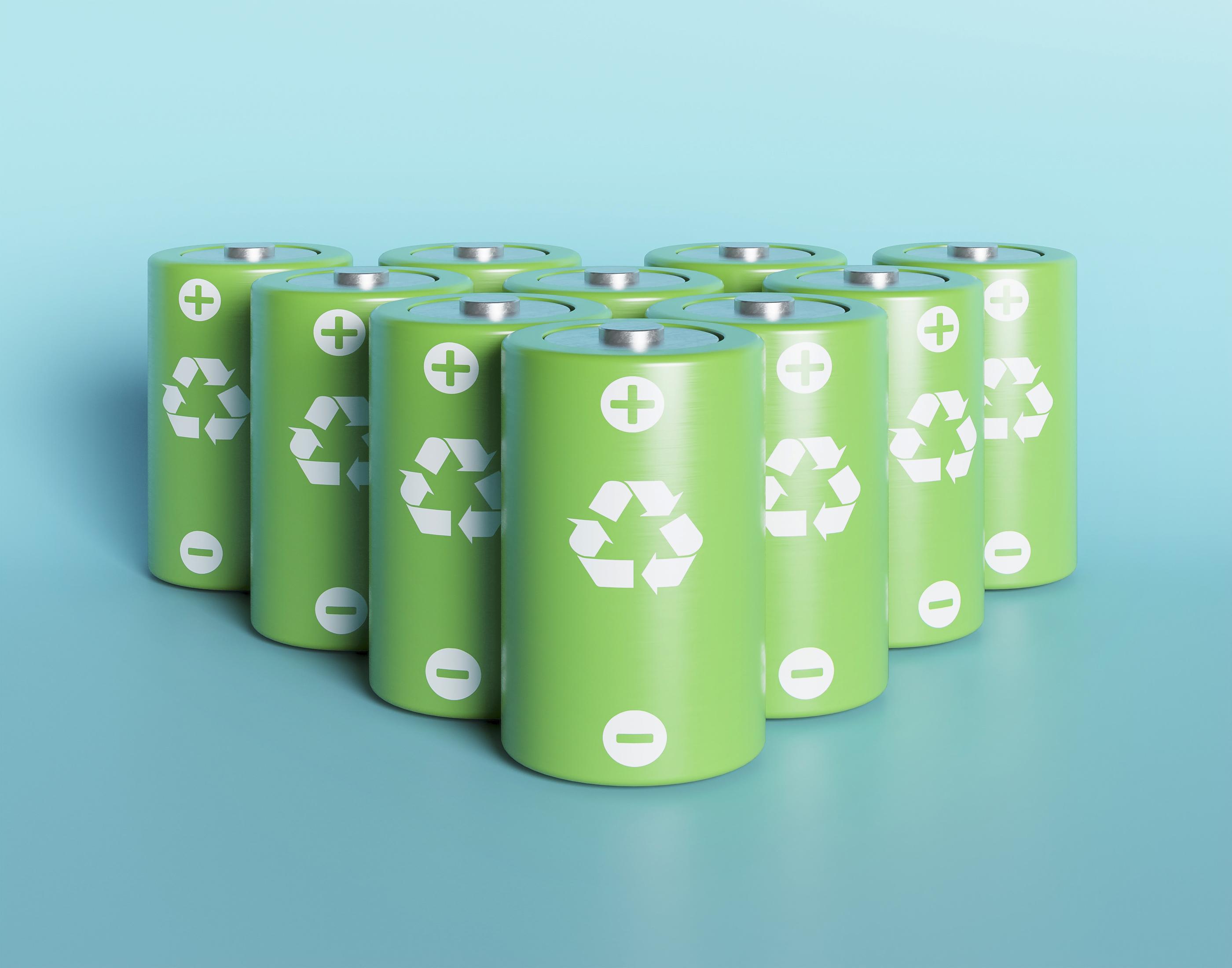
Meaning of symbols on batteries
Batteries and their packaging may display the symbol of a crossed-out waste bin. This means that the battery must not be disposed of together with municipal waste and must be handed over to a separate collection system.
Some batteries may also have chemical markings, such as Cd or Pb. These indicate the presence of cadmium or lead above the established limits. Such batteries must also be handed over to the appropriate collection and recycling system.
What happens to batteries after they are handed over to a collection point?
Collected batteries are transferred to authorized entities responsible for their transport, sorting, treatment and recycling. In specialized facilities, batteries are separated by type and chemical composition and then undergo processes that allow raw materials, including metals and other reusable materials, to be recovered.
Separate collection reduces the amount of hazardous waste entering the environment and also lowers the need to extract new raw materials.
What should be done with a damaged, swollen or leaking battery?
Damaged, swollen, overheated or leaking batteries require special care. They should not be placed in a standard container for small batteries without prior protection.
- do not touch the leak with bare hands;
- use protective gloves if the battery needs to be moved;
- place the battery in a sealed non-metallic container or bag;
- do not rinse the battery with water and do not pour the leak into the sewage system;
- store it away from fire, heat sources and other batteries;
- contact PSZOK, a collection point or the seller to agree on a safe method of handing over the waste;
- inform the collection point staff that the battery is damaged, swollen or leaking.
What should not be done with used batteries?
- do not throw batteries into a mixed waste container;
- do not place batteries in containers for plastic, metal, paper, glass or bio-waste;
- do not burn batteries or throw them into fire;
- do not dismantle batteries;
- do not crush, puncture or cut batteries;
- do not store a large number of used batteries loose in one metal container;
- do not leave batteries in places accessible to children or animals.
Information for business customers
Used batteries and accumulators generated as part of business activity must be handed over in accordance with the applicable rules for waste handling, record keeping and transfer of waste to authorized entities. Additional obligations may apply to companies under the BDO system and waste legislation.
If you purchase batteries as an entrepreneur and want to hand over a larger quantity of used batteries or accumulators, contact us or an authorized entity that accepts this type of waste.
Summary
Every used battery should enter the separate collection system. By handing batteries over to the appropriate collection point, you help reduce environmental pollution, lower the risk of fire and support the recovery of valuable raw materials.
Remember: used batteries must be collected separately, free of charge and only at designated collection points.
